
Expanding concrete patios or creating affordable polished concrete floors in Marble Falls requires strategic considerations. Key steps include site analysis, compliance with local codes, preparation, and selecting suitable materials like flexible thin-set mortars or non-permeable membranes. Customization is possible with aggregate blends and specialized sealers/dyes for unique marble effects. Proper jointing techniques using high-quality polyurethane or epoxy foam prevent cracks and maintain structural integrity. Regular maintenance, including cleaning and sealing, protects against moisture damage in the area's variable climate. This ensures long-lasting durability and aesthetic appeal of affordable polished concrete floors naturally.
In the realm of home improvement, creating seamless transitions between concrete patios and surrounding surfaces is a key aspect of crafting affordable polished concrete floors in Marble Falls. Expansion joints, these carefully engineered gaps, play a vital role in preventing the cracking and warping that often plague outdoor living spaces. By addressing this common challenge head-on, we offer a solution that not only enhances structural integrity but also preserves the aesthetic beauty of marble-inspired concrete floors. This article delves into the installation process, providing homeowners with the knowledge to create durable, low-maintenance outdoor oases.
- Planning and Preparation for Concrete Expansion Joints
- Choosing the Right Materials for Polished Concrete Floors
- Installation Techniques for Long-Lasting Marble Falls Joints
Planning and Preparation for Concrete Expansion Joints
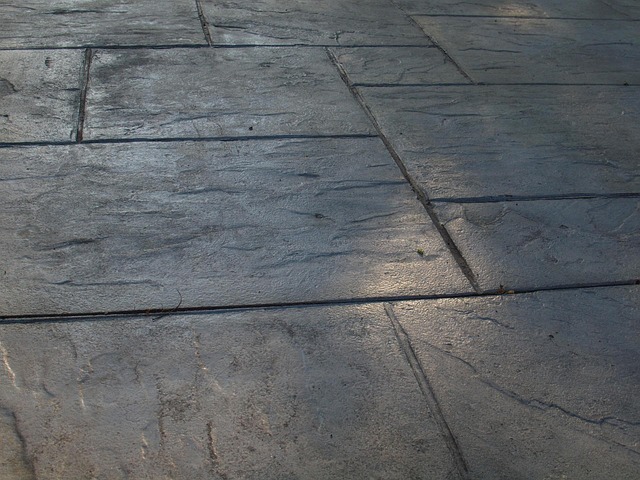
When planning an expansion of your Concrete Patio or walkway, incorporating joint systems is a crucial step towards ensuring long-lasting durability and aesthetic appeal, especially when aiming for affordable polished concrete floors Marble Falls naturally. Proper preparation begins with understanding the unique characteristics of your project site and choosing the right jointing materials. The primary goal is to allow for concrete movement without compromising integrity, which can be achieved through careful consideration of factors like climate, load bearing requirements, and design preferences.
Before installing expansion joints, conduct a thorough site analysis to determine potential stress points and loading patterns. This involves evaluating traffic flow, environmental conditions, and the overall structural layout. For instance, areas with heavy vehicular traffic or significant temperature fluctuations require more robust jointing solutions. Data from industry studies suggests that proper jointing can extend concrete pavement life by up to 50%, highlighting its critical role in infrastructure maintenance. Moreover, understanding local building codes and regulations is essential; some regions have specific requirements for expansion joint spacing and types, ensuring compliance will save time and potential costs down the line.
Preparation includes preparing the surface, marking joint lines, and selecting suitable jointing compounds and forms. A clean, level surface is paramount to ensure proper joint formation. Marking the joints accurately allows for consistent placement of the chosen jointing materials, be it rubber, plastic, or metal strips. Selecting affordable yet high-quality jointing systems tailored to your project’s needs is key. For polished concrete floors, flexible, thin-set mortars and non-permeable membranes can provide a seamless finish while allowing for necessary concrete movement. This process ensures not only structural integrity but also preserves the visual appeal of your affordable polished concrete floors in Marble Falls naturally.
Choosing the Right Materials for Polished Concrete Floors

When expanding a Concrete Patio or creating affordable polished concrete floors in Marble Falls, Texas, selecting the right materials is paramount to achieving a sleek, durable finish. The choice of aggregate and cement types plays a significant role in determining the final aesthetic and performance of the floor. For outdoor patios, a coarse aggregate blend with a higher proportion of larger stones can provide an attractive, textured surface that resists wear from foot traffic and weather conditions. This option is particularly suitable for high-traffic areas, ensuring longevity and maintaining the floor’s visual appeal over time.
For polished concrete floors, the selection extends beyond aggregate to include various cements and admixtures. Fast-setting cements like Portland pozzolanic or super-early strength cements can streamline installation while offering superior strength gain at early ages. These cements are ideal for rapid construction projects where quick access is crucial. Additionally, using specialized polished concrete floor sealers and dyes allows for customization of the final look, enabling homeowners to achieve unique marble-like effects without the high cost associated with natural marble.
Cost-effectiveness can be achieved by balancing quality and quantity. Buying in bulk or selecting locally sourced materials can significantly reduce expenses without compromising durability. For instance, using locally mined aggregates often costs less than imported stones, providing an affordable option while also supporting regional economies. Moreover, a strategic blend of different aggregate sizes and types can create visually appealing patterns at a lower cost compared to solid slabs of single-sized aggregates. This approach not only offers budget-friendly polished concrete floors but also adds character to outdoor living spaces.
Installation Techniques for Long-Lasting Marble Falls Joints
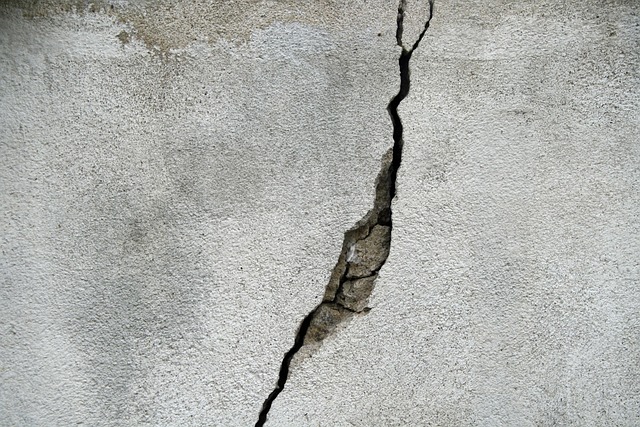
Expanding a Concrete Patio with marble falls joints offers both aesthetic appeal and structural integrity for affordable polished concrete floors. Installation techniques play a crucial role in ensuring long-lasting performance, preventing cracks, and maintaining the seamless look desired. One proven method involves utilizing specialized expansion joint materials designed to accommodate the natural movement of concrete while resisting water ingress. This approach is particularly effective in areas like Marble Falls, known for its variable climate that demands robust solutions.
A key consideration during installation is ensuring proper alignment and spacing. Joint spacers and adjustable edge forms facilitate accurate placement, allowing for minor adjustments without compromising the joint’s integrity. After demolding, filling the joints with high-quality, flexible polyurethane or epoxy injectable foam provides exceptional movement compensation. This process forms a strong bond between the concrete and the joint material, minimizing stress at the interface—a common point of failure in poorly installed joints.
Regular cleaning and maintenance further extend the lifespan of these expansion joints. Maintaining a free flow of water away from the patio is essential, as standing water can weaken the bonds between materials. Using appropriate sealants and filling the joints with water-repellent products creates an impenetrable barrier against moisture. In Marble Falls, where outdoor spaces are often exposed to harsh weather conditions, this routine maintenance becomes even more critical, ensuring that affordable polished concrete floors remain protected and beautiful for years to come.
By meticulously planning, choosing the right materials, and employing effective installation techniques, homeowners can achieve affordable polished concrete floors in Marble Falls that stand the test of time. This article has equipped readers with essential knowledge on concrete patio expansion joint installation, highlighting the significance of preparation, material selection, and installation methods for long-lasting results. With these insights, DIY enthusiasts and professionals alike can now confidently tackle expansion joint projects, enhancing the durability and aesthetic appeal of their Marble Falls properties.
Related Resources
Here are 5-7 authoritative resources for an article about concrete patio expansion joint installation:
- American Concrete Institute (ACI) (Industry Standard Body): [Offers comprehensive guidelines and best practices for structural concrete construction.] – https://www.aci.org/
- National Ready Mixed Concrete Association (Industry Organization): [Provides technical resources and industry insights related to ready mixed concrete, including patio installations.] – https://nrca.org/
- U.S. Environmental Protection Agency (EPA) – Sustainable Materials and Practices (Government Portal): [Offers information on eco-friendly concrete practices and alternatives for construction projects.] – https://www.epa.gov/sustainable-materials
- University of Michigan – Civil and Environmental Engineering Department (Academic Study): [Research and publications focused on structural engineering, including concrete construction techniques and joint systems.] – https://www.cee.umich.edu/
- Home Depot Pro (Internal Guide): [Provides installation guides, tips, and best practices for a variety of home improvement projects, including concrete patios and joints.] – https://pro.homedepot.com/
- National Association of Home Builders (NAHB) – Technical Resources (Industry Association): [Offers technical advice, standards, and guidelines for various construction topics, including concrete patio installations.] – https://www.nahb.org/
- Concrete Network (Online Community & Resource Hub): [A platform with articles, forums, and resources dedicated to the concrete industry, featuring expert discussions on installation techniques.] – https://www.theconcretenetwork.com/
About the Author
Meet Robert Johnson, a seasoned Construction Specialist with over 20 years of experience. Holding a Certified Concrete Contractor (CCC) designation and a Master in Building Science, Robert is renowned for his expertise in concrete patio expansion joint installation. He is a contributing author to the International Association of Concrete Specialists’ journal and an active member of the American Concrete Institute (ACI). His work ensures durable and aesthetically pleasing outdoor living spaces.